1. Compliance and Adaptability, Meeting Industry Standards
Based on ethylene-vinyl acetate copolymer (EVA) resin as the basic raw material, supplemented with special stabilizers, lubricants and other additives, it is formed by melt processing. It fully meets the packaging technical requirements of hot-melt road marking paint, and can pass multiple tests such as PAHs/RoHS/SVHC. It is compatible with European and American export standards (such as the import and export requirements of the world-renowned ENNIS Road Traffic Technology Company), and at the same time meets the packaging inspection needs of domestic municipal, expressway and other projects, eliminating the problem of product acceptance or export customs clearance being affected by non-compliant packaging.
2. Low Melting Point Characteristic, Adapting to Coating Construction
The melting point is precisely controlled (DSC final melting point ≥70℃, which can be customized in the range of 75℃-105℃ on demand), which perfectly matches the melting characteristics of hot-melt road marking paint (construction temperature 180℃--220℃). It can be directly put into the hot-melt kettle to co-melt with the paint without manual unpacking, avoiding dust flying and raw material loss during unpacking. It not only ensures a clean construction environment, but also ensures accurate paint proportioning, improves construction efficiency and marking quality, and avoids the impact of miscellaneous bag components on paint stability.
3. Valve Design, Efficient Sealing and Leakage Prevention
Adopting a professional valve structure design, the upper and lower ends of the bag are fully heat-sealed, and only a special feeding valve is set on one side of the upper part. During filling, it can be directly sleeved into the automatic filling machine, with a filling speed of 600-1200 bags per hour, which is far higher than the traditional sewing and sealing method. After the material is filled, the valve automatically closes relying on the pressure of the material itself, without additional sealing operations, which completely solves the pain points of the traditional packaging feeding port being difficult to seal when contaminated and material leakage during transportation. It has excellent sealing performance, effectively blocks the entry of moisture and impurities, and ensures that the paint is dry and free of caking at room temperature.
4. Tough and Durable, Adapting to Warehousing and Transportation
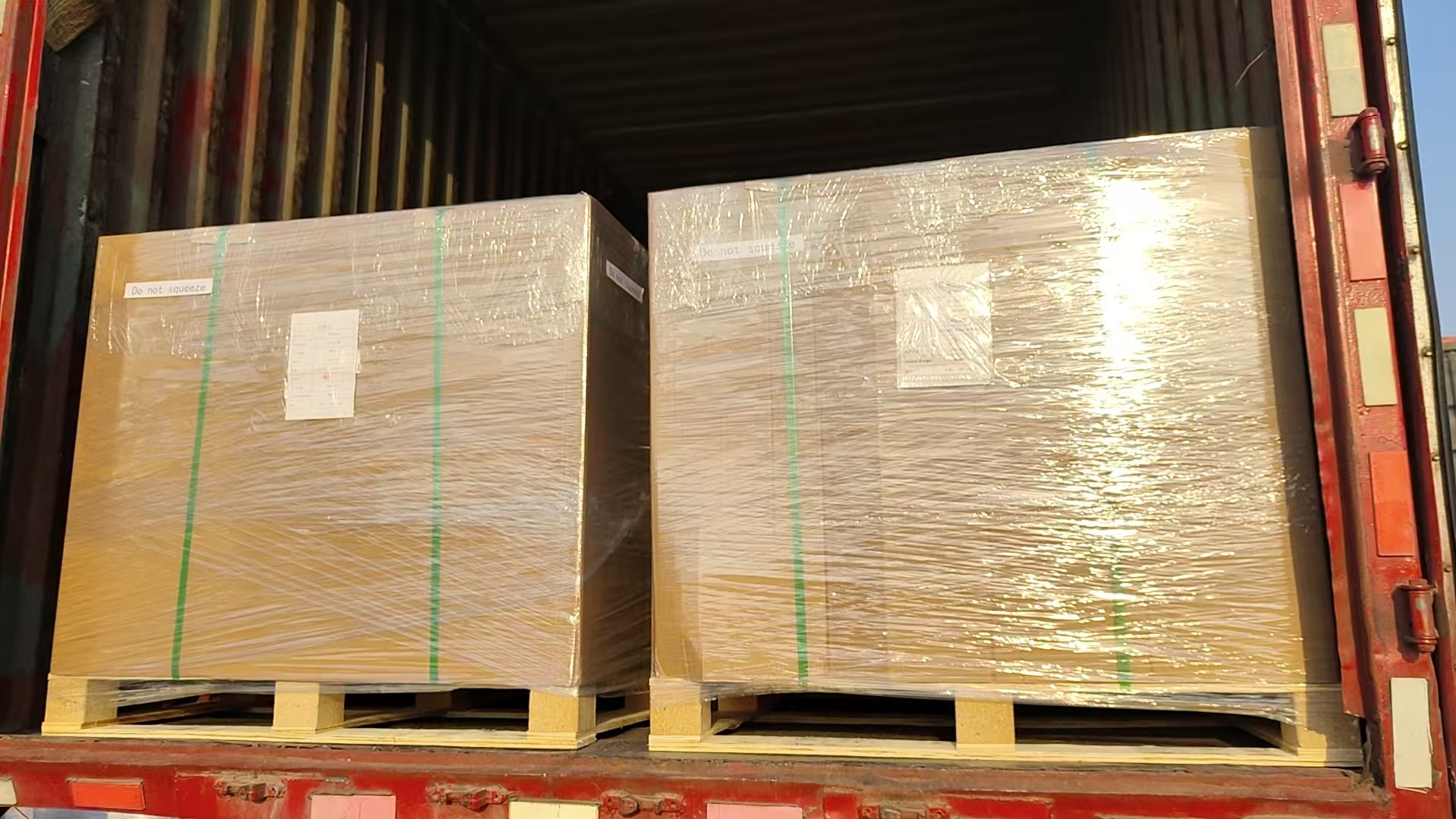
Adopting a multi-layer composite structure (customizable from single layer to five layers), the outer layer is made of high-strength PE/PP woven cloth, the inner layer is EVA film, and some can be added with aluminum foil barrier layer. It has excellent tensile strength, impact strength and puncture resistance, and does not break the bag in the 4-meter drop test. It is wear-resistant and weather-resistant, and can withstand the extrusion of warehousing stacking and the bumps of long-distance transportation. After being filled, the bag automatically forms a regular cuboid, with strong stacking stability, which can greatly save warehousing space and reduce transportation loss.
5. Environmentally Friendly and Efficient, Reducing Comprehensive Costs
No glue or thinner is added, the production process is energy-saving and environmentally friendly, and it complies with national environmental protection policies. It can be directly put into use without unpacking, reducing labor costs and raw material waste, and avoiding the health damage of dust pollution to operators, solving the pain points of difficult recruitment and difficult environmental protection compliance in the industry. The thickness of the multi-layer composite structure can be adjusted on demand, reducing packaging costs on the premise of ensuring strength, and the cost performance is far higher than that of traditional kraft paper packaging.